

How to Choose a Solar Inverter for a Home Solar System
Time : Jul 13, 2026 View : 726
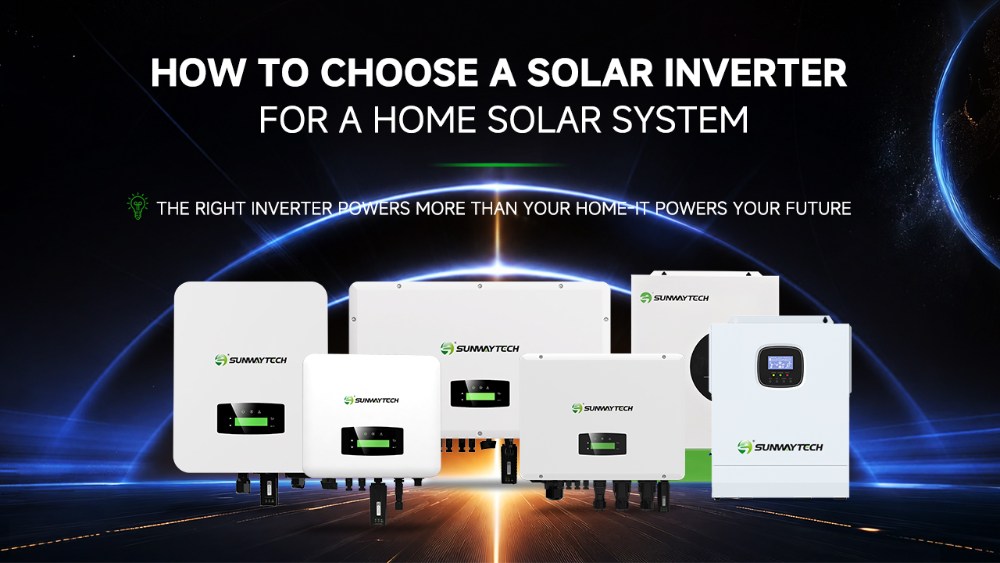
Many buyers start by comparing panel wattage or battery size. Those numbers matter, but the solar inverter often decides whether the whole system runs smoothly. It converts solar DC power to AC power, manages PV input, tracks sunlight via MPPT, communicates with batteries when storage is included, and protects the system as grid conditions change.
A solar panel inverter should not be selected only by price or by a simple kW number. The better approach is to check the PV array, local voltage, peak load, grid rules, solar battery storage plan, monitoring needs, and future expansion together. This guide focuses on practical selection points for homeowners, installers, and distributors.
Why Does the Solar Inverter Matter in a Home Solar System?
The inverter sits between solar panels and home loads. If it is chosen poorly, good panels and batteries may still underperform. A stable home solar system needs an inverter that fits both the electrical design and the site’s real use pattern.
It Converts Solar DC Power into Usable AC Power
Solar panels generate direct current. Most home appliances, lighting circuits, pumps, routers, and kitchen equipment use alternating current. The inverter converts DC power into AC power that can be used by household loads or sent to the grid when the design allows it.
This does not mean every inverter suits every project. A daytime self-consumption system, a backup-ready setup, and a storage-based solar power system may need different inverter functions.
It Controls How Solar Power Can Be Used
A solar panel inverter affects how much PV power can be used at different times. It has limits for input voltage, input current, output power, and sometimes battery charging. If the PV array sits outside the allowed range, the system may lose output, trigger faults, or require redesign during installation.
For buyers comparing a solar panel system, this is a common hidden risk. The panel array and inverter should be reviewed together before the order is confirmed.
It Supports Protection and Monitoring
Modern inverters do more than convert power. They can monitor DC voltage, DC current, AC voltage, AC current, frequency, generation, and fault information. This helps installers check system behavior and helps users notice abnormal operation earlier.
What Functions Should Buyers Check First?
A solar inverter should be checked by function before brand or appearance. The following points directly affect output, safety, and long-term service.
MPPT Performance Affects Real Solar Output
MPPT allows the inverter to track the best operating point of the solar panels as sunlight and temperature change. It helps the PV array work closer to its useful output range instead of staying at a fixed point all day.
This becomes more important when a roof has several directions, partial shade, or panel strings with different conditions. Buyers should ask how many MPPT channels the inverter has and whether the planned strings match those channels.
PV Input Range Must Match the Panel Array
The PV input range decides how many panels can be connected in a string and whether the array can start and operate properly under different weather conditions.
A good design checks open-circuit voltage in cold weather, operating voltage in normal sunlight, maximum input current, and MPPT range. If those values are ignored, installation teams may need to change string length or replace equipment after delivery.
Grid Protection Is Essential
For grid-connected homes, the inverter must follow local grid requirements. It should detect abnormal voltage, frequency, and grid faults, and it should disconnect when safe operation requires it. Anti-islanding protection is especially important because a PV system should not keep feeding a line when the public grid is down.
Different markets may also require different certification and grid approval documents. Buyers exporting or importing inverter-based systems should confirm these requirements before choosing a model.
When Should Buyers Consider a Hybrid Inverter?
A hybrid inverter is useful when the home may use battery storage, backup output, or time-based energy management. It is not always required, but it should be considered early if the buyer expects the system to grow later.
When Solar Battery Storage May Be Added
If a home may add batteries later, the inverter choice should allow that plan. Some basic grid-tied inverters are not designed to work directly with storage. A hybrid inverter can manage solar generation, battery charging, grid use, and home loads in a more integrated way.
For buyers comparing residential ESS, this matters because the inverter and battery should be selected as one system direction. Battery voltage, communication, charge current, and backup output all need to fit the inverter.
When Backup Power or Larger Three-Phase Loads Are Part of the Plan
Backup planning should still start with a critical load list. In a home, that may include lighting, internet, refrigeration, medical equipment, or selected outlets. When a project also serves a workshop, shared building, or facility with three-phase loads, inverter selection must account for phase type, continuous output, and larger battery capacity.
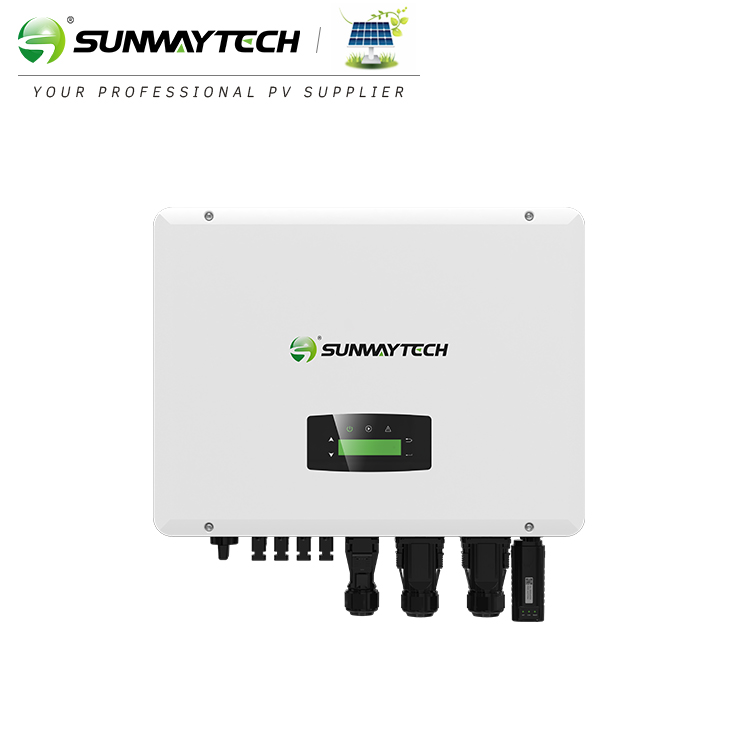
The backup side should be checked for inverter output, phase type, load profile, battery capacity, and off-grid operation. For projects beyond residential scale, Sunway’s 30kW 51.2kWh / 50kW 102.4kWh three-phase hybrid ESS offers two matched configurations: a 30kW hybrid inverter with a 51.2kWh LFP battery, or a 50kW hybrid inverter with a 102.4kWh LFP battery. Designed for heavy commercial loads, the system supports automatic peak shaving, off-peak charging, and off-grid backup during grid failure. It is a commercial three-phase reference, not a standard home inverter.
When Time-Based Energy Use Matters
In some markets, electricity prices vary by time of use. A hybrid setup can help charge batteries when solar power is available or when grid electricity is lower in cost, and then discharge during a more expensive period or during an outage.
Which Specifications Matter Before Ordering?
After the system direction is clear, buyers can review specifications in a practical way. A specification sheet should be read as a system matching document, not as isolated numbers.
Local Voltage and Phase Type
The first check is local voltage. A home may use single-phase, split-phase, or three-phase power depending on the country and building type. If the voltage standard does not match, the system may require a different inverter model.
Power Rating and Real Load Demand
Inverter power should match real load demand. A larger inverter is not automatically better if the PV array, battery, cables, and budget do not support it.
Buyers should compare peak load, continuous load, starting surge, PV capacity, and battery plan. For a home solar power system, this check is more useful than asking for the largest kW rating available.
Battery Compatibility and Communication
When solar battery storage is included, communication is critical. The inverter should work with the battery management system so it can read the state of charge, charge limits, discharge limits, alarms, and protection status.
Common communication methods may include CAN or RS485, depending on the product design. Buyers should also ask for a compatibility list or project confirmation before ordering mixed-brand equipment.
Certification and Grid Approval
Certification can decide whether a product can be installed in a market. Grid-connected systems may require local approval, approved inverter lists, safety documents, and protection functions. For importers and distributors, this should be confirmed before final price negotiation.
Common Mistakes When Choosing a Solar Inverter
Many inverter problems come from poor matching at the early design stage. The first mistake is choosing only by price. A low purchase price can become expensive if the inverter lacks monitoring, compatible communication, grid protection, or proper certification.
The second mistake is ignoring roof shading and MPPT design. Roof shading, chimneys, nearby walls, and different roof directions can reduce real output. If the MPPT design does not suit the roof layout, the system may not use the solar panels well.
The third mistake is expecting backup from a basic grid-tied inverter. If outage support is required, buyers should confirm hybrid operation, battery storage, transfer time, and critical load output. Future expansion also matters because a home may later add more panels, batteries, an EV charger, or higher evening loads.
Where Sunway Solar Inverter Solutions Fit
Sunway provides solar panels, solar inverters, energy storage batteries, on-grid systems, off-grid systems, hybrid systems, mounting systems, and photovoltaic energy storage solutions. For home projects, the inverter should be reviewed together with panels, battery storage, mounting, monitoring, local voltage, and grid conditions.
The useful point is system matching. A buyer who sends clear site data can receive a more accurate inverter direction than a buyer who only asks for a price list.
What Buyers Should Prepare Before Asking for an Inverter Recommendation
Before asking for a quotation, prepare the country and local voltage standard, phase type, solar panel capacity, roof direction, shading condition, PV string plan, daily electricity use, peak load, critical load list, battery storage plan, backup target, grid connection rules, monitoring requirement, certification requirement, and future expansion plan.
Choose the Inverter After Reviewing the Whole Solar System
A solar panel inverter should be selected after the PV array, home load, local voltage, grid condition, solar battery storage plan, and future expansion needs are reviewed together. Share your panel capacity, voltage standard, backup target, battery plan, and installation conditions with us. Our team can help review which inverter direction is more suitable for your home solar system. Send your inverter project details for a practical configuration review.
FAQ
Q: What size solar inverter do I need for a home solar system?
A: It depends on solar panel capacity, peak load, local voltage, battery storage plan, and whether backup power is required. Buyers should not choose inverter size by panel wattage alone.
Q: Can I add solar battery storage to any inverter?
A: No. Some grid-tied inverters are not designed for battery storage. Buyers should check whether the inverter supports battery connection, hybrid operation, BMS communication, and backup output.
Q: Why does MPPT matter in a solar panel inverter?
A: MPPT helps the inverter track the best operating point of the solar panels under changing sunlight and temperature, improving practical power generation from the PV array.