

¿Puede el almacenamiento de baterías para empresas comerciales e industriales ayudar a las empresas a beneficiarse de la tarificación por franjas horarias?
Fecha: 17 de agosto de 2026 Vistas: 565
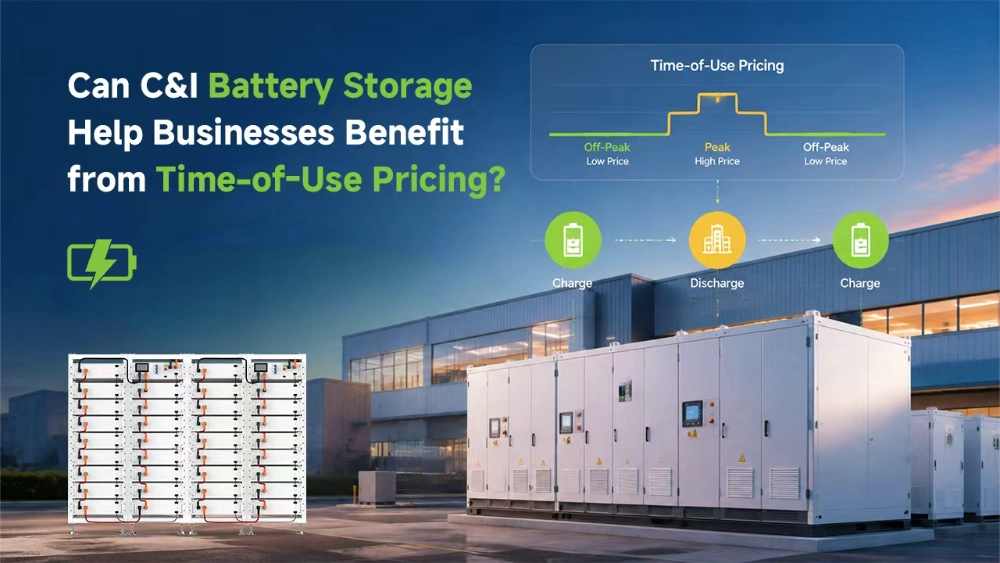
Una amplia diferencia entre las tarifas eléctricas en horas punta y valle puede hacer que el almacenamiento de energía en baterías parezca atractivo, pero esta diferencia por sí sola no garantiza que un proyecto genere ahorros significativos. La empresa aún necesita suficiente demanda durante los periodos de mayor coste, un margen de carga práctico durante los periodos de menor coste y suficiente capacidad de batería disponible una vez aplicados los límites de reserva y operación.
En instalaciones industriales y comerciales, el almacenamiento de energía basado en tarifas solo funciona cuando los precios de la electricidad se ajustan a los patrones de carga reales. Los cargos por demanda, los requisitos de respaldo y las limitaciones de los transformadores pueden modificar el resultado. Por lo tanto, un sistema de almacenamiento de energía debe planificarse en función de toda la instalación, no de una tarifa específica.
¿Cómo afecta la tarificación por franjas horarias al valor de la energía almacenada?
El consumo de electricidad en diferentes momentos puede conllevar costes distintos. La cuestión práctica es si la planta puede aprovechar esa diferencia de forma consistente.
Los períodos de baja y alta demanda crean la ventana de cambio de energía.
Una batería puede cargarse cuando la electricidad es más barata y descargarse cuando la electricidad de la red es más cara. Los equipos de proyecto deben verificar cuándo comienza cada período, cuánto dura, si los fines de semana siguen un horario diferente y si las tarifas estacionales alteran el patrón.
Un período prolongado de precios bajos puede proporcionar tiempo de carga suficiente, pero pocas oportunidades de descarga si la ventana de precios altos es breve.
Los cargos por energía y los cargos por demanda requieren atención por separado.
Los cargos por energía están vinculados al consumo eléctrico, mientras que los cargos por demanda, cuando corresponda, se ven afectados por la demanda máxima de energía según las reglas tarifarias. La gestión de la batería puede influir en ambos, pero la mejor programación para un objetivo puede no ser la mejor para el otro.
Aquí es donde la reducción de picos de demanda cobra importancia. La descarga anticipada puede disminuir las compras de energía a precios elevados, pero deja muy poca energía almacenada para un pico de demanda posterior. Por lo tanto, la revisión de la tarifa debe considerar la estructura de la factura en su conjunto.
¿Cuándo una tarifa por tiempo de uso crea una gran oportunidad de almacenamiento?
Una tarifa favorable solo genera una oportunidad cuando la instalación puede aprovecharla. El patrón de precios debe ser consistente, la instalación debe soportar una carga significativa durante los períodos de mayor costo y la tarificación debe ser viable durante los períodos de menor costo.
La diferencia de precio debe ser repetible.
Un aumento repentino de precios en un solo día no es una base sólida para el funcionamiento a largo plazo de las baterías. La tarificación por franjas horarias es más útil cuando los periodos de precios más bajos y más altos se producen en un horario que se puede planificar en función de la actividad comercial habitual.
Las fábricas deben comparar la tarifa con los turnos de producción y las cargas de trabajo estacionales. Los establecimientos comerciales deben compararla con el horario de apertura, la climatización, la refrigeración y otros gastos recurrentes.
El sitio necesita carga durante el período costoso
Una batería no puede reducir las compras de energía a la red que de otro modo no se producirían. El almacenamiento de energía en baterías industriales es más relevante cuando los equipos de producción, compresores, bombas, refrigeración u otras cargas siguen funcionando durante el período de precios elevados.
La misma regla se aplica al almacenamiento de baterías para uso comercial. Un hotel con demanda nocturna, un centro comercial con carga de climatización al final del día o un almacén con operaciones programadas pueden tener un período de descarga útil. Un edificio que queda prácticamente inactivo antes de que comience el período costoso puede que no.
El período de tarifas reducidas debe permitir una carga práctica.
La carga debe ajustarse a los límites eléctricos de la instalación. La capacidad del transformador, los interruptores, la demanda contratada y las cargas simultáneas de la instalación pueden limitar la potencia de carga disponible.
El cronograma debe prever suficiente energía para su descarga sin crear un nuevo problema de demanda ni aumentar la importación a la red más allá de los límites aceptables.
¿Qué reduce el valor real del despacho de baterías por hora de uso?
La diferencia aparente entre dos tarifas eléctricas no es lo mismo que el valor entregado a la instalación. Un sistema de almacenamiento de energía tiene límites operativos, consumo interno y otras funciones que compiten entre sí, lo que reduce la energía disponible para responder a la tarifa diaria.
Las cargas de conversión y auxiliares reducen la energía suministrada.
La carga y la descarga implican pérdidas por conversión. La refrigeración, los controles, la monitorización, los transformadores y las funciones de reserva también consumen energía. Estos efectos deben incluirse en la configuración del sistema propuesta, en lugar de utilizar un porcentaje genérico.
Para el almacenamiento comercial de energía en baterías, el modelo debe centrarse en la energía suministrada tras las pérdidas del sistema. La capacidad nominal y el margen tarifario por sí solos pueden sobreestimar el resultado útil.
La reserva de respaldo reduce la capacidad de despacho.
Una batería que también alimenta cargas críticas no puede utilizar toda la energía disponible para cubrir las necesidades de la red eléctrica. La duración de la batería de respaldo, el estado mínimo de carga y la potencia de las cargas críticas determinan cuánta energía debe mantenerse reservada.
Esto es especialmente importante para el almacenamiento de energía en baterías industriales, donde una breve interrupción puede afectar un proceso de producción o una operación con temperatura controlada. Una mayor reserva mejora la resiliencia, pero deja menos energía disponible para el suministro diario en función del precio.
Los límites operativos modifican la ventana disponible.
La temperatura de la batería, el estado de carga, los límites de carga y descarga, y la configuración de protección modifican la energía disponible. La pregunta clave es cuánta energía se puede suministrar sin interferir con otras prioridades.
¿Cómo debería funcionar la operación por horas de uso con la reducción de horas pico?
Para muchos emplazamientos comerciales e industriales, la misma batería puede tener que reducir tanto las costosas compras de energía como la demanda máxima del emplazamiento.
No descargue antes del pico más importante
Si un período de precios altos comienza antes de la máxima demanda, una descarga temprana e intensa puede dejar poca capacidad para el pico posterior. La estrategia debe preservar suficiente carga para el evento de mayor valor.
El control de la demanda puede competir con el arbitraje puro.
La reducción de picos de demanda y la respuesta tarifaria deben evaluarse conjuntamente. Una instalación puede beneficiarse más evitando un breve pico de demanda que utilizando toda la energía almacenada durante el primer intervalo de precios altos. La prioridad depende de la tarifa aplicable y del perfil de carga.
En el caso del almacenamiento de baterías industriales, los picos de demanda pueden deberse al arranque de equipos o a procesos superpuestos. En el caso del almacenamiento de baterías comerciales, los sistemas de climatización o la carga concentrada de vehículos eléctricos pueden generar un patrón de demanda diferente.
Múltiples picos requieren asignación de capacidad
Una instalación con varios picos de demanda diarios puede necesitar distribuir la energía almacenada entre múltiples eventos, con ventanas definidas de potencia, reserva y posibles recargas.
¿Cómo puede el sistema de gestión de energía (EMS) controlar una estrategia de baterías basada en el tiempo de uso?
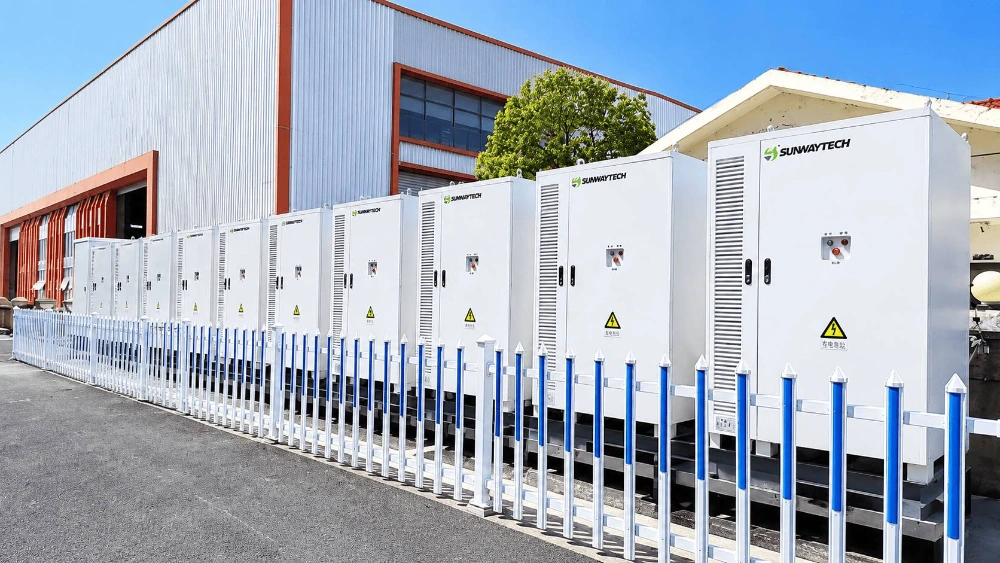
Una vez definidos la tarifa y el caso de carga, el EMS los convierte en instrucciones de carga y descarga. Coordina los rangos de precios con los límites de la batería, la demanda del sitio y los objetivos de reserva.
Configurar ventanas de carga y descarga
El plan puede definir periodos de carga fuera de las horas punta, periodos de descarga con precios elevados, límites de potencia de carga y descarga, y umbrales de estado de carga. La configuración debe reflejar el patrón de funcionamiento real del sitio, en lugar de un horario fijo copiado de otro proyecto.
Proteger los objetivos de reservas y demanda.
El sistema de gestión de energía (EMS) debe reservar energía para picos de demanda posteriores, necesidades de respaldo u otro período de descarga programado.
Esta es una de las razones por las que un sistema de almacenamiento de energía no debe controlarse únicamente por el precio de la electricidad. El estado de carga restante, la demanda de la instalación, los límites de potencia y la política de reservas influyen en la siguiente decisión.
Actualizar la estrategia a medida que cambie el sitio.
Los cambios en la producción, la demanda de climatización, la carga de vehículos eléctricos y los periodos tarifarios pueden variar. Se recomienda revisar la configuración de despacho cuando cambien estas condiciones.
¿Qué emplazamientos son mejores candidatos para el almacenamiento de baterías por horas?
Un buen candidato suele tener una carga predecible durante los períodos de mayor costo y suficiente flexibilidad para cobrar sin generar nuevas restricciones.
| Estado del sitio | Argumentos más sólidos a favor de los tiempos de uso | Caso TOU más débil |
| Patrón arancelario | Claro y repetible | Dispersión pequeña o irregular |
| carga en período pico | Alto y predecible | Bajo o inconsistente |
| Ventana de carga | Suficiente | Corto o limitado |
| cargos por demanda | Material para el proyecto de ley | Limitado o ausente |
| Reserva de respaldo | Deja energía gestionable | Utiliza la mayor parte de la energía disponible. |
| Patrón de carga | Lo suficientemente estable como para programar | Cambios impredecibles |
Emplazamientos industriales con cargas de producción predecibles
La fabricación, el procesamiento, la refrigeración y la producción programada pueden crear ventanas operativas repetibles. El almacenamiento de baterías industriales se puede evaluar en función de los horarios de los turnos, los picos de arranque, las cargas continuas y los requisitos de respaldo.
Sitios comerciales con cargas diarias repetibles
Los hoteles, parques empresariales, almacenes y complejos comerciales suelen tener cargas recurrentes de climatización, iluminación, refrigeración u otros usos operativos. El almacenamiento de energía en baterías para uso comercial puede ser más útil cuando estas cargas coinciden con periodos de tarifas elevadas y son lo suficientemente predecibles como para permitir una descarga programada.
Sunway Gama C&I ESS Incluye configuraciones para exteriores con refrigeración por aire y por líquido para aplicaciones comerciales e industriales.
Estaciones de carga para vehículos eléctricos con demanda concentrada
La carga de vehículos eléctricos puede generar una demanda concentrada. El almacenamiento podría requerir la combinación de la respuesta tarifaria, los límites de los transformadores y el control de la demanda. Antes de seleccionar la capacidad, se debe revisar la utilización del cargador, la potencia de carga y los límites de importación del sitio.
¿Qué datos se deben verificar antes de estimar los ahorros por tiempo de uso?
Un análisis comercial debe basarse en datos operativos de la planta. Las facturas recientes muestran la estructura tarifaria, mientras que los datos de intervalos indican si la carga se superpone con los períodos relevantes.
Como mínimo, revise la tarifa por tiempo de uso, las facturas de electricidad de los últimos 12 meses, los datos de carga cada 15 o 30 minutos, la demanda máxima, la capacidad del transformador, las cargas críticas, el objetivo de respaldo y los cambios de carga planificados. Si se utiliza generación in situ, su producción debe incluirse en el mismo cronograma.
Un argumento sólido a favor de las tarifas no determina por sí solo la potencia o energía de la batería necesaria. El objetivo de descarga, la duración, la reserva y los límites del emplazamiento deben definir la configuración final.
¿Cómo puede un sistema ESS integrado de Sunway dar soporte a la operación por tiempo de uso (TOU)?
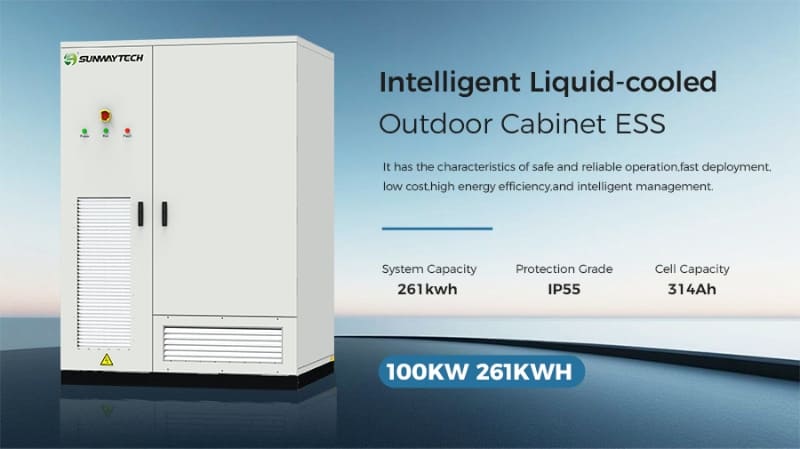
Solo después de que la tarifa y el caso de carga sean creíbles, se debe entrar en la discusión sobre la configuración del equipo. SunwayOfrecemos sistemas de almacenamiento integrados para aplicaciones residenciales, comerciales, industriales y de servicios públicos.
Para referencia C&I, el Sistema de almacenamiento de energía (ESS) refrigerado por líquido Sunway de 100 kW/261 kWh Combina una batería LFP de 261 kWh con una potencia de CA nominal de 125 kW en un gabinete para exteriores con clasificación IP55. El diseño integrado incluye arquitectura modular PCS, EMS, BMS, distribución de energía, protección contra incendios y control ambiental. Utiliza refrigeración líquida inteligente y admite comunicación CAN, Ethernet y RS485.
Estas funciones permiten programar la carga, controlar la descarga, proteger la reserva y monitorizar el sistema, pero no garantizan la rentabilidad de todos los proyectos de tarifas por hora. El sistema aún debe ajustarse a la demanda real de energía, la duración, la reserva y las condiciones del emplazamiento.
Compruebe si su tarifa incluye una oportunidad real de almacenamiento.
El mejor punto de partida no es un modelo de batería, sino un análisis sincronizado de la factura eléctrica y la carga de la instalación. Comparta el esquema tarifario, las facturas recientes, el perfil de carga por intervalos, la demanda máxima, la capacidad del transformador y el objetivo de respaldo antes de seleccionar la capacidad del sistema.
Podemos utilizar esos datos para identificar ventanas de carga prácticas, determinar dónde la energía almacenada podría reducir las compras o la demanda de la red eléctrica y separar la parte de la batería que debe permanecer en reserva. Revise su oportunidad de almacenamiento por tiempo de uso. antes de convertir un atractivo margen tarifario en una decisión sobre equipos fijos.
Preguntas frecuentes
P: ¿Una gran diferencia de precio entre las horas punta y las horas valle justifica el uso de baterías?
R: No. La planta también necesita suficiente carga durante los períodos de mayor demanda, un margen de tiempo adecuado para la carga, capacidad de batería utilizable tras cubrir las necesidades de reserva y una estructura tarifaria que recompense el despacho previsto. También deben incluirse las pérdidas del sistema y los cargos por demanda.
P: ¿Puede un sistema de almacenamiento de energía soportar tanto la tarificación por franjas horarias como la reducción de los picos de demanda?
R: Sí. Ambos objetivos pueden compartir la misma batería, pero también compiten por la misma potencia y energía almacenada. El sistema de gestión de energía (EMS) debe mantener un nivel de carga suficiente para el evento de mayor demanda, al tiempo que gestiona la descarga programada de la tarifa.
P: ¿El almacenamiento de baterías por tiempo de uso (TOU) es adecuado tanto para instalaciones industriales como comerciales?
R: Sí, es posible. El almacenamiento de baterías industriales debe ajustarse a los turnos de producción, las cargas de proceso, los picos de arranque y las necesidades críticas de respaldo. El almacenamiento de baterías comerciales debe ajustarse a las horas de funcionamiento, la climatización, la refrigeración, la iluminación u otras cargas recurrentes. En ambos casos, la tarificación por franjas horarias debe compararse con el perfil de carga real, en lugar de basarse únicamente en la tarifa.