

Solarenergie und Batteriespeicher für Standorte mit geringem Eigenverbrauch: Woher der Wert kommt
Zeitpunkt: 3. August 2026 Aufrufe: 546
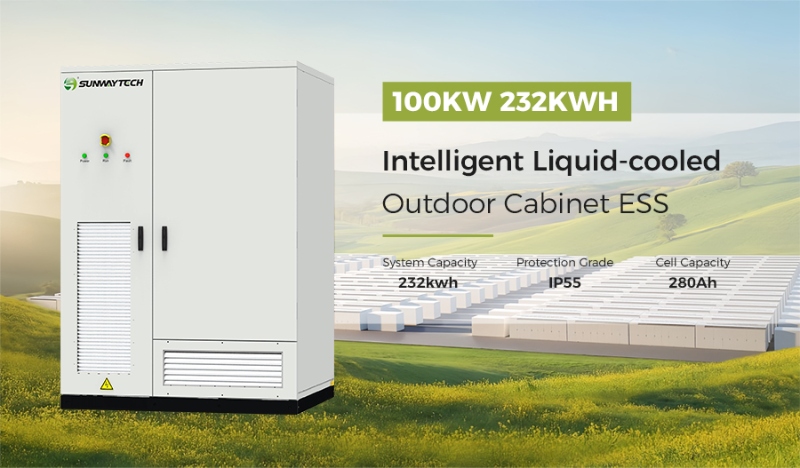
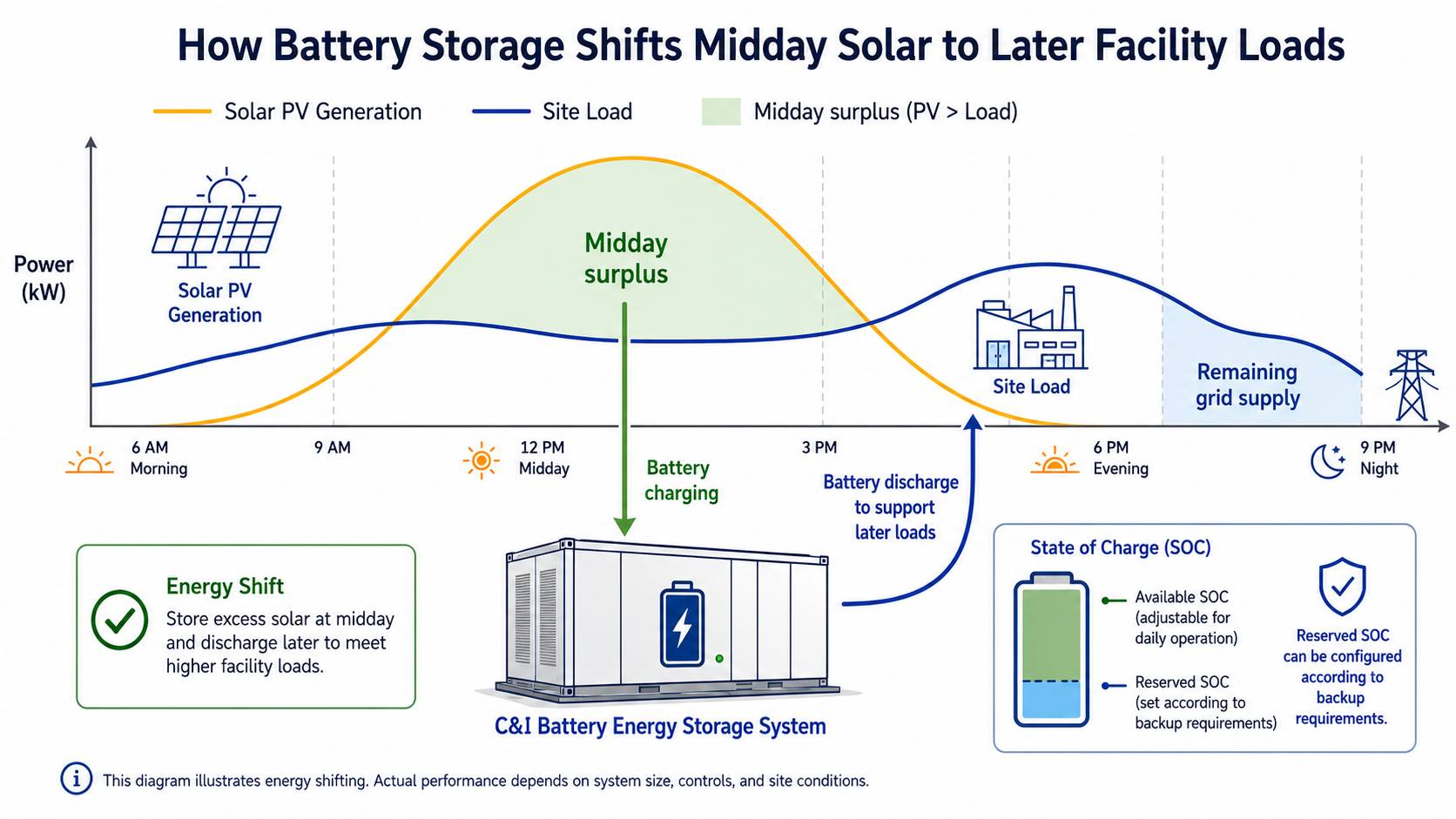
Ein geringer Eigenverbrauch von Solarstrom deutet in der Regel eher auf eine zeitliche Fehlanpassung als auf eine schwache PV-Stromerzeugung hin. Ein Gewerbedach kann seine höchste Leistung mittags erbringen, während der größte Stromverbrauch am späten Nachmittag, in der Abendschicht oder nachts auftritt.
Solaranlagen und Batteriespeicher können einen Teil des Überschusses in eine spätere Betriebsperiode verschieben. Der Batteriespeicher erzeugt keine zusätzliche Solarenergie; er lädt sich auf, wenn diese Energie verfügbar ist. Sein Wert hängt von der Lastkurve, den Einspeisebestimmungen, der Tarifstruktur, den Reserveanforderungen und der Menge des nutzbaren Überschussstroms ab. Ein Batteriespeichersystem sollte daher als Bestandteil des Betriebsmodells der Anlage geprüft und nicht automatisch in jedes PV-Projekt integriert werden.
Was verrät ein niedriger Eigenverbrauch an Solarenergie über den Standort?
Bevor ein Speicher ausgewählt wird, muss das Projektteam herausfinden, warum PV-Energie den Standort verlässt oder nur begrenzt verfügbar ist.
Solarstromerzeugung und Anlagenbedarf erreichen ihren Höhepunkt zu unterschiedlichen Zeiten
Die PV-Stromerzeugung erreicht ihren Höhepunkt oft um die Mittagszeit. Der Strombedarf von Anlagen kann jedoch einem anderen Verlauf folgen. So kann es beispielsweise in Fabriken zu einem morgendlichen Anlaufspitzenwert, einer hohen Produktionslast am Nachmittag oder einer zweiten Schicht nach Sonnenuntergang kommen. Auch Hotels und Lagerhallen können nach dem Rückgang der Solarstromerzeugung einen höheren Strombedarf haben.
Der monatliche Verbrauch gibt diesen Zeitpunkt nicht wieder. Die Projektbewertung sollte die PV-Erzeugungs- und Lastdaten im gleichen 15- oder 30-Minuten-Takt vergleichen. Entscheidend ist nicht nur, wie viel Energie die Anlage verbraucht, sondern auch, wann sie diese verbraucht.
Exportierter Solarstrom hat an verschiedenen Standorten unterschiedlichen Wert.
Überschüssige Solarenergie kann ins Netz eingespeist werden, wobei die Einspeisung durch eine Exportobergrenze begrenzt oder durch Rückflussverhinderer eingeschränkt wird. Diese Ergebnisse sind finanziell nicht gleichwertig.
Bei günstigen Einspeisevergütungen kann die Einspeisung überschüssiger Photovoltaik-Energie ins Netz weiterhin sinnvoll sein. Bei niedrigen Vergütungen kann es sich lohnen, die Energie in einen späteren Zeitraum zu verschieben. Strenge Einspeisegrenzen können zudem den Einsatz von Batteriespeichern im kommerziellen Bereich sinnvoll machen, wenn überschüssige Photovoltaik-Energie andernfalls nicht eingespeist würde.
Ein kurzer, mittäglicher Lastanstieg erfordert eine andere Ladeleistung aus einem breiten, vierstündigen Überschussfenster. Der Speicherwert hängt daher sowohl von kW als auch von kWh ab.
Wo schaffen Solarenergie und Batteriespeicher einen Mehrwert?
Für Standorte mit geringem Eigenverbrauch liegen die wichtigsten Möglichkeiten in der Energieverschiebung, dem Exportmanagement und der Koordination mit der Spitzenlaststeuerung.
Verlagerung der Solarstromerzeugung zur Mittagszeit auf spätere Anlagenlasten
Überschüssiger PV-Strom kann tagsüber die Batterie laden und die Anlage anschließend mit Strom versorgen, wenn die Solarstromproduktion nachlässt. Dadurch lassen sich die Strombezüge aus dem Netz während Produktionsspitzen am Nachmittag, bei hohem gewerblichem Verbrauch am Abend oder im Nachtbetrieb reduzieren.
Der Nutzen hängt von der nutzbaren Kapazität, der Leistung des Photovoltaik-Systems (PCS) und der späteren Last ab. Kann das PCS eine kurze PV-Spitze nicht aufnehmen, kann ein Teil des Überschusses dennoch exportiert werden. Ein leistungsstarkes PCS mit begrenzter Energie kann zwar eine kurze Lastspitze abdecken, jedoch keine lange Abendlast.
Solar plus Speicher sollten daher eher der Form des Energieflusses als den täglichen Gesamtwerten entsprechen.
Reduzierung von Export, Rückfluss oder PV-Abschaltung
Wenn die Anlagenlast unter die PV-Leistung fällt, kann ein korrekt konfiguriertes Energiemanagementsystem (EMS) die Batterieladung so koordinieren, dass ein verfügbarer Überschuss gespeichert wird, bevor die Exportschwelle erreicht ist.
Speicher können nicht alle Einschränkungen eliminieren. Die Batterie kann bereits voll, für die Notstromversorgung reserviert oder durch die Ladeleistung begrenzt sein. Längere Überschussperioden können die verfügbare Kapazität ebenfalls übersteigen. Dieser Anwendungsfall ist besonders ausgeprägt, wenn die Exportgrenzen streng, die Exportvergütung niedrig und ein regelmäßiger PV-Überschuss vorhanden ist. Er ist weniger ausgeprägt, wenn der Export uneingeschränkt und finanziell attraktiv ist.
Kombination von Solar-Eigenverbrauch mit Spitzenlaststeuerung
Dieselbe Batterie kann sich mittags durch PV-Strom aufladen, sich während einer späteren Lastspitze entladen und Energie als Notstromversorgung speichern. Diese Ziele konkurrieren um dieselbe gespeicherte Energie.
Eine große Reserve lässt weniger Spielraum für die Verschiebung der Solarenergie, während eine frühzeitige Entladung möglicherweise nicht genügend Energie für den eigentlichen Leistungsgipfel liefert.
Die Betriebsprioritäten sollten vor der Inbetriebnahme festgelegt werden. Die Strategie muss festlegen, welches Ziel Priorität hat, wie hoch die erforderliche Reserve sein muss und wann das Laden oder Entladen beendet werden soll. Unsere umfassendere Solar- und Speicherlösungen können unterschiedliche Betriebsziele unterstützen, aber die Standortdaten müssen die Prioritätsreihenfolge festlegen.
Wann kann Lagerung einen begrenzten kommerziellen Wert haben?
Eine niedrige Eigenverbrauchsquote ist ein positives Indiz, beweist aber nicht, dass die Lagerung wirtschaftlich sein wird.
Die Tageslasten verbrauchen bereits den größten Teil der PV-Leistung.
Eine Fabrik mit stabiler Tagesproduktion verbraucht möglicherweise bereits nahezu die gesamte verfügbare Solarenergie. Die zusätzliche Installation einer großen Batterie zur Steigerung des Eigenverbrauchs bringt daher nur eine begrenzte Verbesserung.
Die Exportkompensation oder der Zollspread ist zu gering
Wenn die Vergütung für die Einspeisung nahe am Einkaufspreis liegt, bietet die Energiespeicherung nach Berücksichtigung von Umwandlungsverlusten, Eigenverbrauch und Batterieladezyklen möglicherweise nur einen geringen Mehrwert. Dasselbe gilt, wenn die zeitabhängigen Preise kaum Unterschiede zwischen Lade- und Entladephasen aufweisen.
Backup-Anforderungen nutzen die maximal verfügbare Kapazität
Ein Standort, der die Stromversorgung für kritische Lasten aufrechterhalten muss, kann einen hohen Mindestladezustand vorhalten. Je größer die kritische Last und je länger die angestrebte Backup-Dauer, desto weniger Kapazität steht für die Verschiebung von Solarstrom, die Anpassung an Tarifschwankungen oder die Spitzenlastkappung zur Verfügung.
Nur der tatsächlich abrufbare Anteil, nach Berücksichtigung der nutzbaren und reservierten Kapazität, kann die routinemäßigen Geschäftsziele unterstützen.
Anhand welcher Daten lässt sich feststellen, ob eine Website eine Überprüfung wert ist?
Eine aussagekräftige Analyse beginnt mit zeitbasierten Daten. Monatliche Rechnungen geben zwar den Gesamtverbrauch und die Tarife an, zeigen aber nicht, wann Überschüsse an Photovoltaikstrom oder Nachfragespitzen auftreten.
Überlagerung von PV-Erzeugungs- und Lastkurven
Beginnen Sie mit einem 15- oder 30-minütigen Profil, das Last und PV-Erzeugung abdeckt. Identifizieren Sie Überschusszeiten, maximale Überschussleistung, spätere Lastniveaus, Unterschiede am Wochenende und saisonale Schwankungen.
Diese Überlappung zeigt, ob überschüssige Energie später am Tag sinnvoll genutzt werden kann. Sie verdeutlicht auch, ob die Hauptbegrenzung in der Batteriekapazität, der PCS-Leistung oder der Exportsteuerung liegt. Ein Batteriespeichersystem, das ausschließlich auf Basis des Jahresverbrauchs dimensioniert wird, kann alle drei Aspekte außer Acht lassen.
Zölle, Exportbeschränkungen und Reservebedarf quantifizieren
Das technische Profil muss mit Strompreisen, Bedarfsentgelten, Exportvergütung, Exportgrenzen, Transformatorkapazität, Netzspannung, kritischen Lasten und der angestrebten Backup-Dauer kombiniert werden.
Geplante Produktion, das Laden von Elektrofahrzeugen oder der Ausbau von Photovoltaikanlagen können ebenfalls zu Veränderungen des Betriebsablaufs führen.
| Standortbedingungen | Der Lagerwert kann stärker sein | Der Speicherwert kann geringer sein |
| PV-Überschuss am Mittag | Häufig und anhaltend | Klein oder gelegentlich |
| Spätere Anlagenlast | Hoch und vorhersehbar | Niedrig oder unbeständig |
| Exportvergütung | Niedrig | Nahe am Kaufpreis |
| Ausfuhrbeschränkung | Strikt | Minimal |
| Nachfragegebühren | Bedeutsam | Nicht zutreffend |
| Backup-Anforderung | Unterstützt ein weiteres Ziel | Nutzt die verfügbare Kapazität bestmöglich aus |
Wie sollte der Rettungsdienst konkurrierende Ziele in Einklang bringen?
Sobald der Nutzen klar ist, muss das Energiemanagementsystem ihn in einen Betriebsplan umwandeln.
Legen Sie vor der Inbetriebnahme eine klare Prioritätenreihenfolge fest.
Eine typische Sequenz kann eine minimale Backup-Reserve aufrechterhalten, aus dem verfügbaren PV-Überschuss laden, die Netznachfrage am Nachmittag begrenzen und nur während ausgewählter Hochpreisperioden weiter entladen.
Die Reihenfolge variiert je nach Standort. Kühlhäuser dienen möglicherweise zuerst der Sicherung der Reservekapazität, während eine Fabrik die Spitzenlastkontrolle priorisieren kann und ein Standort ohne Export die Ladekapazität erhalten kann.
Das Energiemanagementsystem sollte festlegen, was passiert, wenn Ziele in Konflikt geraten, damit die Batterie nicht vor dem Zeitraum, in dem sie am wertvollsten ist, einen niedrigen Ladezustand erreicht.
Strategie bei Änderungen der Standortbedingungen aktualisieren
Die PV-Leistung variiert je nach Jahreszeit, Produktionsschwankungen, Tarifänderungen und Batteriekapazitäten sind von Temperatur und Ladezustand abhängig. Das Energiemanagementsystem (EMS) sollte zuverlässige Daten zu Zähler, PV-Anlage, Last und Batterie nutzen, während Parameteränderungen kontrolliert und protokolliert werden.
Dadurch wird die Strategie für kommerzielle Batteriespeicher an die aktuellen Gegebenheiten angepasst.
Welches Systemdesign muss zum Energiewendeplan passen?
PCS-Leistung, Batteriekapazität, Kopplungsmethode, Exportkontrolle und Kommunikation müssen das gleiche Betriebsziel unterstützen.
PCS-Leistung und Akkukapazität lösen unterschiedliche Probleme.
Die PCS-Leistung in kW bestimmt, wie schnell das System überschüssigen PV-Strom aufnehmen oder eine Last decken kann. Die Batteriekapazität in kWh bestimmt, wie viel Energie transportiert werden kann und wie lange die Entladung erfolgen kann.
Ein kurzfristiger, starker PV-Überschuss kann eine höhere Ladeleistung, aber eine moderate Kapazität erfordern. Eine lange Lastperiode am Abend kann selbst bei moderater Entladeleistung eine höhere Energiekapazität notwendig machen. Die Auslegung muss zudem die nutzbare Kapazität, den Ladezustandsreserve, Umwandlungsverluste und Betriebsgrenzen berücksichtigen.
Kopplung, Exportkontrolle und Kommunikation müssen zusammenarbeiten
AC- und DC-gekoppelte Systeme nutzen unterschiedliche Strompfade. Die Wahl hängt davon ab, ob ein Speicher zu einer bestehenden PV-Anlage hinzugefügt oder mit einer neuen Anlage installiert wird.
Energiezähler, PV-Wechselrichter, PCS, BMS und EMS müssen korrekte Daten austauschen. Für die Rückflussverhinderung ist eine präzise Messung am Netzanschlusspunkt erforderlich. Kommunikationsprobleme oder Datenverzögerungen können zu unnötiger PV-Leistungsbegrenzung oder ungewollter Einspeisung führen.
Netzschutz, Überwachung, Genehmigungen und Erweiterungsanforderungen sollten vor der Bestellung bestätigt werden.
Wie kann ein integriertes Energiespeichersystem für Gewerbe und Industrie den Ausbau der Solarenergie unterstützen?
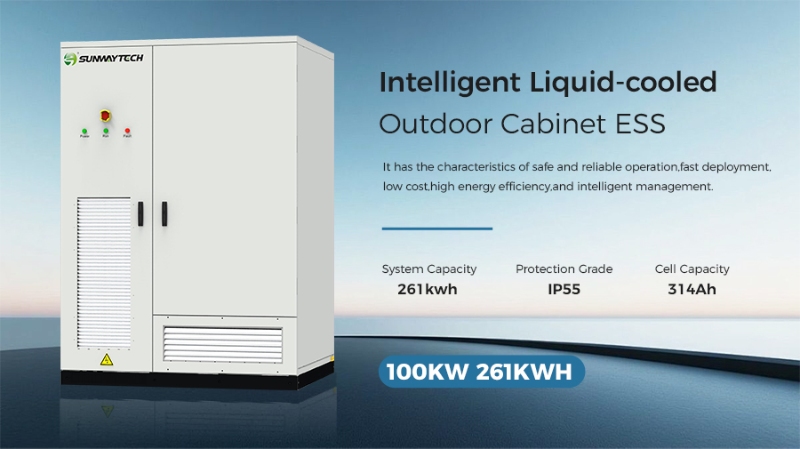
Integrierte Systeme können den Schnittstellenaufwand reduzieren, indem sie Batterien, PCS, Steuerungen, Schutzmechanismen, Wärmemanagement und Kommunikationssysteme kombinieren.
Bei SunwayWir konfigurieren Energiespeichersysteme entsprechend den Projektanforderungen hinsichtlich Leistung, Energie, Netz, Standort und Betrieb.
Der Sunway 100kW/261kWh flüssigkeitsgekühlter Energiespeicher Das System kombiniert eine 261-kWh-LFP-Batterie mit einer Nennausgangsleistung von bis zu 125 kW, zwei MPPT-Kanälen, BMS, EMS, einer modularen PCS-Architektur, Stromverteilung, Brandschutz und Umweltsteuerung. Der IP55-Außenschrank ist flüssigkeitsgekühlt und unterstützt CAN-, Ethernet- und RS485-Kommunikation.
Die PV-Eingangsleistung beeinflusst die Solarladung, die PCS-Ausgangsleistung die Lastunterstützung und die gespeicherte Energie die Entladedauer. Das Energiemanagementsystem (EMS) verteilt diese Kapazitäten auf Eigenverbrauch, Spitzenlaststeuerung und Reserve.
Die Montage und Prüfung im Werk kann den Aufwand für die Standortintegration reduzieren, die lokalen Anforderungen an Netzanschluss, Brandschutz, Verkabelung, Schutzmaßnahmen und Inbetriebnahme bleiben jedoch bestehen.
Den Wert der Solaranlage nur dann steigern, wenn die Standortdaten dies zulassen
Solarenergie und Batteriespeicher schaffen Mehrwert, wenn sie ein dokumentiertes Problem hinsichtlich Timing, Einspeisung, Bedarf oder Notstromversorgung lösen. Ein geringer Eigenverbrauch allein reicht nicht aus, um ein solches System zu rechtfertigen.
Die leistungsstärksten Projekte kombinieren einen regelmäßigen Überschuss zur Mittagszeit mit einer späteren Last, einer ungünstigen Exportvereinbarung, relevanten Bedarfsentgelten oder einem Backup-Bedarf, der ein anderes Ziel unterstützt. Die Geräteauswahl muss daher dem Standort hinsichtlich geeigneter PCS-Leistung, nutzbarer Kapazität, Kommunikationsarchitektur und EMS-Prioritäten entsprechen.
Teilen Sie uns Ihr PV-Profil, die Lastkurve, die Exportgrenze, die Tarifperioden und Ihr Backup-Ziel mit. Wir können überschüssige Solarenergie identifizieren, das mögliche Energieumschichtungspotenzial abschätzen und Sie unterstützen. Überprüfen Sie Ihr Solar- und Lastprofil vor der Auswahl einer Konfiguration.
Häufig gestellte Fragen
F: Führt der Einbau von Batteriespeichern immer zu einer Erhöhung des Eigenverbrauchs von Solarstrom?
A: Speicher können einen Teil des überschüssigen PV-Stroms aufnehmen, der sonst exportiert oder eingeschränkt würde. Das Ergebnis hängt jedoch von der Batteriekapazität, der Ladeleistung des PCS, dem Ladezustandsspielraum und dem späteren Anlagenbedarf ab.
F: Welche Batteriekapazität wird für überschüssigen kommerziellen Solarstrom benötigt?
A: Die Kapazität sollte auf zeitlich abgestimmten PV- und Lastkurven, der Überschussdauer, der PCS-Ladeleistung, den Reserveanforderungen und der geplanten Entladeperiode basieren. Die Größe der PV-Anlage allein reicht nicht aus.
F: Kann ein Batteriespeichersystem sowohl die Nutzung von Solarenergie als auch die Spitzenlastabdeckung und die Notstromversorgung unterstützen?
A: Ja, aber alle drei Ziele nutzen dieselbe gespeicherte Energie. Das Energiemanagementsystem muss Prioritäten, Reservegrenzen und Lade-/Entladepläne festlegen, damit sich die Ziele nicht gegenseitig behindern.