

Guida ai sistemi di accumulo di energia solare: come scegliere la soluzione giusta per uso domestico, commerciale e industriale.
Data: 1 giugno 2026 View : 356
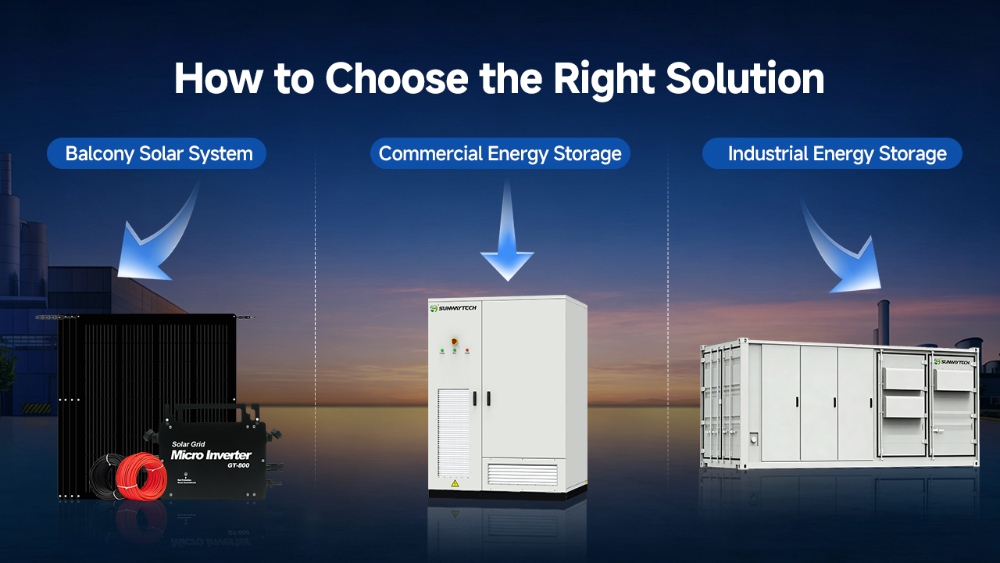
La scelta di un sistema di accumulo di energia solare dovrebbe basarsi sull'applicazione, sulla domanda di carico, sull'obiettivo di backup, sull'irraggiamento solare in ingresso e sulle condizioni del sito. Una batteria più grande non è sempre sinonimo di sistema migliore. Un'abitazione potrebbe necessitare di un backup silenzioso nelle ore serali. Un appartamento potrebbe richiedere un sistema compatto da installare sul balcone. Un edificio commerciale potrebbe aver bisogno di ridurre i picchi di consumo energetico. Una fabbrica potrebbe necessitare di una maggiore potenza in uscita, di un sistema di controllo della sicurezza più robusto e di una gestione termica stabile.
Per acquirenti B2B, installatori, distributori e proprietari di progetti, la soluzione di accumulo energetico ideale parte da una domanda pratica: quale problema deve risolvere il sistema? Una volta chiarito questo aspetto, confrontare la capacità della batteria, il tipo di inverter, il metodo di raffreddamento, il monitoraggio e le possibilità di espansione diventa più semplice.
Che cos'è un sistema di accumulo di energia solare?
Un sistema di accumulo di energia solare immagazzina l'elettricità generata dai pannelli solari e la rilascia quando il carico ne ha bisogno. In una configurazione tipica, i pannelli solari producono elettricità in corrente continua (CC). Un inverter converte l'energia prodotta per applicazioni domestiche o commerciali. Le batterie immagazzinano l'energia in eccesso per un utilizzo successivo. I sistemi più complessi possono includere anche un sistema di accumulo di energia (PCS), un sistema di gestione degli edifici (BMS), un sistema di gestione energetica (EMS), sistemi antincendio, interfacce di comunicazione e gestione termica.
Un impianto fotovoltaico standard funziona principalmente quando è disponibile la luce solare. Un sistema di accumulo di energia a batteria aggiunge flessibilità. Questo permette di coprire l'utilizzo serale, il backup, l'autoconsumo e la gestione dei picchi di domanda.
I sistemi di accumulo a batteria per l'energia solare sono ormai presenti in appartamenti, case, hotel, fabbriche, aziende agricole, zone industriali e progetti collegati alla rete elettrica. Ogni caso d'uso richiede una logica di progettazione differente.
Inizia con lo scenario applicativo
Prima di confrontare i prodotti, è necessario definire l'ambiente di installazione e l'obiettivo energetico principale. Un kit compatto per balconi e un armadio prefabbricato possono entrambi utilizzare energia solare, batterie e inverter, ma risolvono problemi diversi.
Appartamenti e balconi - Utilizzo dell'energia solare
Chi vive in appartamento spesso si trova ad affrontare limitazioni di accesso al tetto, regolamenti condominiali condivisi e spazi di installazione ridotti. L'obiettivo non è la sostituzione completa del consumo energetico dell'abitazione. Un impianto solare pratico per il balcone dovrebbe compensare parte del consumo giornaliero dalla rete elettrica, mantenendo al contempo un'installazione semplice.
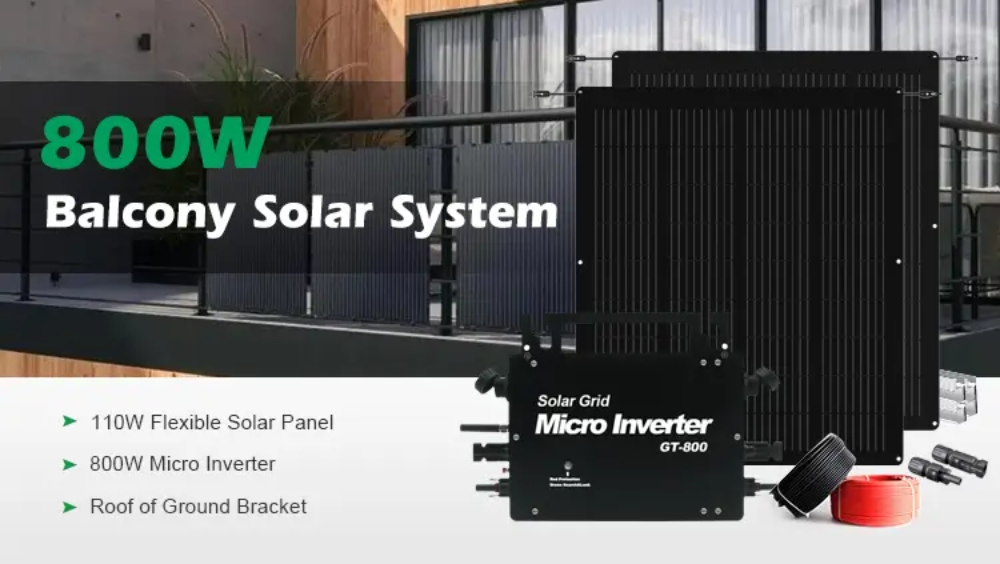
Per questa applicazione, i microinverter, i pannelli solari flessibili, l'hardware montato su ringhiera e il tracciamento dell'uscita sono più importanti della grande capacità della batteria. Sistema solare da balcone Sunway Micro Complete da 800W Ideale per l'utilizzo in spazi ridotti, include 8 pannelli solari flessibili da 110 W, un microinverter da 800 W, cavi fotovoltaici e elementi di fissaggio opzionali. È più adatto per compensare il consumo energetico di un appartamento che per carichi di backup elevati.
Case e sistemi di accumulo solare
Per gli utenti residenziali, la principale preoccupazione è solitamente la disponibilità di un sistema di backup essenziale e un migliore utilizzo dell'energia solare durante il giorno. Un sistema di accumulo energetico domestico dovrebbe essere adatto a illuminazione, refrigerazione, Wi-Fi, computer, dispositivi di sicurezza, piccoli elettrodomestici e alcuni carichi per il comfort.
La sola capacità non definisce le prestazioni. Una batteria da 5 kWh o 10 kWh può sembrare semplice, ma il suo valore reale dipende dall'energia utilizzabile, dalla potenza nominale, dalla potenza di picco, dal tempo di trasferimento, dall'ingresso fotovoltaico e dalla compatibilità con l'inverter. Se l'inverter non è in grado di supportare il carico, una batteria più grande non risolverà il problema.
Scegli la potenza e la capacità giuste
Un errore comune nel dimensionamento è quello di concentrarsi solo sui kWh. Questo può essere utile per un confronto approssimativo, ma non mostra le reali prestazioni del sistema.
kW definisce la capacità di uscita
La potenza nominale in kW indica se il sistema è in grado di alimentare il carico previsto. Nelle abitazioni, ciò può significare luci, frigoriferi, router e computer. Negli edifici commerciali, può includere pompe, sistemi di raffreddamento, sistemi di controllo accessi, apparecchiature di pagamento o rack per server. Nelle fabbriche, può riguardare motori, compressori, sistemi di controllo e attrezzature di produzione.
Se un sistema dispone di una capacità della batteria sufficiente ma di una potenza insufficiente dell'inverter o del PCS, potrebbe non essere in grado di alimentare in sicurezza le apparecchiature necessarie. Ciò è particolarmente importante per i progetti industriali, dove la corrente di spunto e le improvvise variazioni di carico possono essere significative.
kWh definisce il tempo di esecuzione
La capacità energetica in kWh determina per quanto tempo il sistema può mantenere i carichi in funzione. Una formula di partenza utile è:
Capacità della batteria richiesta = potenza del carico critico × ore di autonomia ÷ percentuale di batteria utilizzabile
Questo è solo un riferimento di pianificazione. I progetti reali dovrebbero considerare anche i limiti di scarica, le perdite di sistema, la temperatura, l'invecchiamento delle batterie, la crescita futura del carico e la capacità di ricarica dei pannelli fotovoltaici.
Abbinare il tipo di sistema alla scala del progetto
Una volta definito l'obiettivo di carico, il passo successivo è l'architettura del sistema. Impianti solari su balcone, sistemi di accumulo residenziali, armadi elettrici e containerizzati e sistemi di accumulo energetico non dovrebbero essere valutati con gli stessi criteri.
Sistemi compatti e residenziali
Nei sistemi di piccole dimensioni, è fondamentale privilegiare un'installazione sicura, un montaggio flessibile, un monitoraggio semplice, la compatibilità con gli inverter e una progettazione pratica del sistema di backup. I microinverter sono adatti a configurazioni compatte su balconi perché convertono la corrente continua in prossimità dei moduli e supportano installazioni distribuite di dimensioni ridotte.
Per le abitazioni, gli inverter ibridi sono più pratici quando sono presenti batterie. Possono gestire l'energia solare, la ricarica delle batterie, l'interazione con la rete e la commutazione di backup in un unico sistema. Le batterie al litio ferro fosfato (LiFePO4) sono spesso scelte per l'accumulo di energia in ambito residenziale perché supportano cicli di carica/scarica frequenti e garantiscono un funzionamento stabile.
Sistemi commerciali e industriali
L'accumulo di energia per applicazioni commerciali e industriali richiede un controllo più rigoroso a livello di sistema. Un armadio per uso commerciale dovrebbe includere moduli batteria, PCS, EMS, BMS, comunicazione, protezione e gestione termica. I sistemi per esterni necessitano inoltre di protezione dell'involucro, sicurezza antincendio, resistenza all'umidità e accesso per la manutenzione.
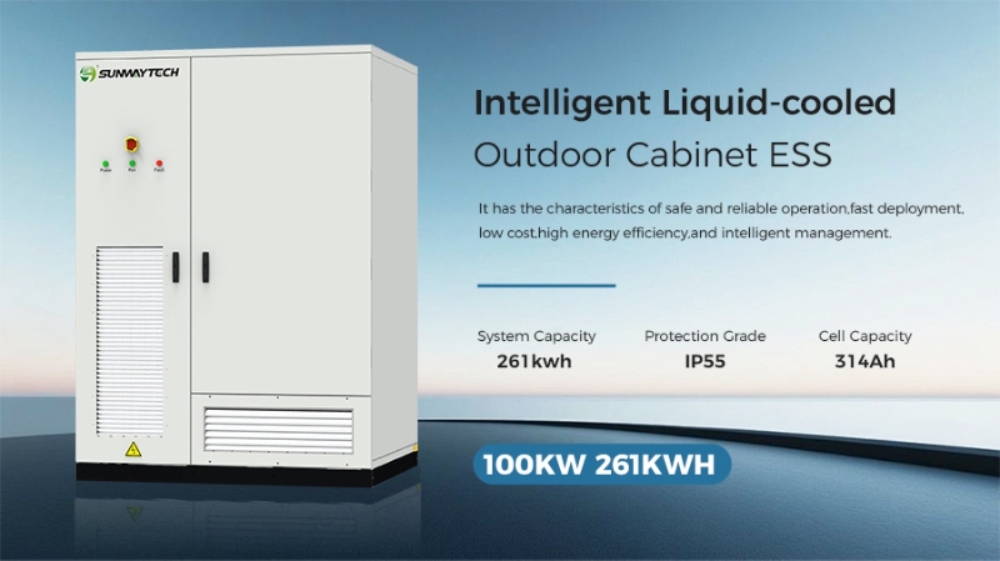
Per progetti commerciali e industriali a carico medio, il Sistema di accumulo SUNWAY da 100 kW e 261 kWh è un esempio rilevante. Utilizza la tecnologia delle batterie LFP, il raffreddamento a liquido intelligente, l'architettura PCS modulare, il controllo EMS e BMS, la protezione antincendio e un involucro esterno con grado di protezione IP55. La sua capacità nominale della batteria è di 261 kWh, con una potenza fotovoltaica nominale di 100 kW e una potenza CA nominale di 125 kW. Ciò lo rende adatto alla riduzione dei picchi di consumo, all'autoconsumo solare e al supporto stabile dell'alimentazione C&I.
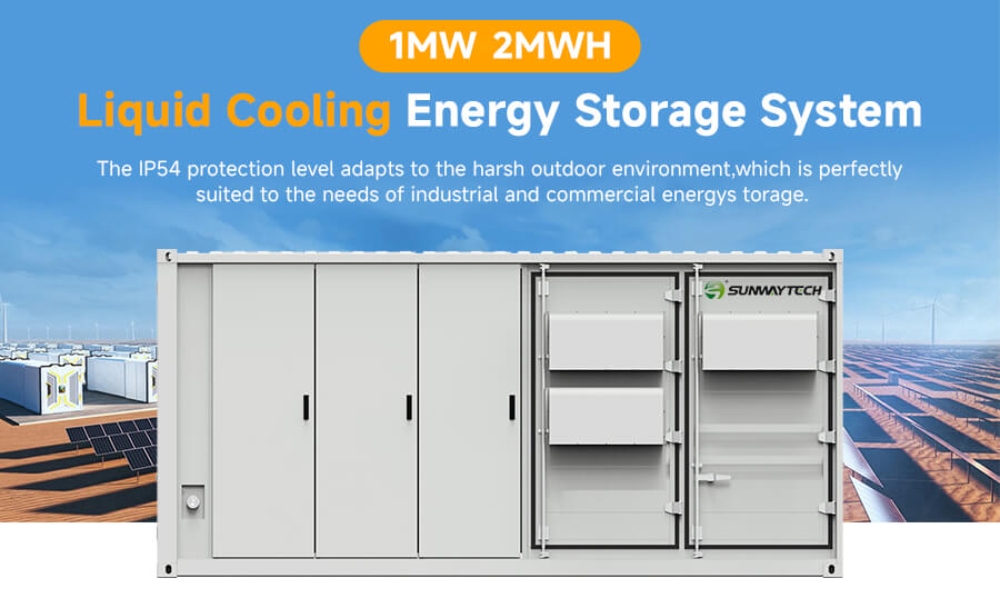
Per i parchi industriali più grandi, le centrali energetiche, i siti collegati alle utenze o i progetti commerciali ad alta capacità, la scala del sistema cambia. Sistema di accumulo di energia a liquido SUNWAY da 1 MW e 2 MWh Integra batterie di accumulo, PCS, distribuzione di energia, controllo della temperatura, protezione antincendio, monitoraggio e comunicazione, e un vano batterie raffreddato a liquido all'interno di una struttura containerizzata con grado di protezione IP54. La sua potenza CA nominale e massima è rispettivamente di 1000 kW e 1100 kW, con una capacità della batteria di 261 kWh suddivisa in 8 gruppi di batterie. Questo tipo di sistema è progettato per la riduzione dei picchi di consumo, la gestione della domanda, l'alimentazione di backup e l'integrazione nella rete elettrica con energie rinnovabili.
Verifica la chimica della batteria, la progettazione dell'inverter e il monitoraggio.
La composizione chimica delle batterie influisce sulla sicurezza, sulla durata del ciclo di vita, sul peso, sulla manutenzione e sui costi a lungo termine. Le batterie al piombo-acido possono ancora essere adatte ad applicazioni leggere o con budget limitati, ma le batterie al litio ferro fosfato (LiFePO4) sono diventate comuni nella progettazione dei moderni sistemi di accumulo di energia solare perché supportano cicli di carica/scarica frequenti e garantiscono un funzionamento stabile.
L'inverter o il PCS sono altrettanto importanti. I microinverter sono adatti per impianti su balconi, gli inverter ibridi per sistemi di accumulo solare residenziali e i PCS per sistemi di accumulo commerciali o industriali.
Nei progetti B2B, il monitoraggio non dovrebbe essere considerato facoltativo. I sistemi di gestione energetica (EMS) e le piattaforme cloud aiutano a esaminare i flussi energetici, gli allarmi, la strategia operativa e le esigenze di manutenzione.
Verificare le condizioni di installazione prima dell'acquisto.
Un sistema che sembra adatto sulla carta potrebbe non essere adatto al sito se si trascurano i dettagli di installazione. Chi acquista un'abitazione dovrebbe valutare lo spazio disponibile sulle pareti, la ventilazione, il percorso dei cavi, la protezione interna o esterna e la posizione dell'inverter. Chi vive in appartamento dovrebbe verificare la robustezza delle ringhiere, le ore di sole, l'esposizione al vento e le normative locali sull'installazione di impianti solari plug-in.
Gli acquirenti del settore commerciale e industriale necessitano di una lista di controllo più ampia. Gli armadi per esterni richiedono un grado di protezione, un intervallo di temperatura, una tolleranza all'umidità, un buon controllo del rumore, limiti di altitudine, protezione antincendio, spazio di manutenzione e accesso per le comunicazioni.
È qui che l'esperienza con il sistema diventa fondamentale. Sunway L'azienda opera in diversi ambiti, dai pannelli solari agli inverter, dalle batterie per l'accumulo di energia ai sistemi on-grid, off-grid, ibridi, dai sistemi di montaggio alle soluzioni di accumulo di energia fotovoltaica. La sua esperienza pregressa consente di progettare sistemi adatti a molteplici scenari, anziché limitarsi alla selezione di un singolo prodotto.
Evitare gli errori di selezione più comuni
Il primo errore è scegliere basandosi solo sulla capacità della batteria. Una batteria di grandi dimensioni senza l'inverter, il PCS o l'ingresso fotovoltaico adeguati potrebbe non fornire il risultato atteso.
Il secondo errore consiste nel trattare tutte le soluzioni di accumulo di energia come se fossero dello stesso tipo. Il solare per appartamenti, i sistemi di backup domestici, la riduzione dei picchi di consumo per le attività commerciali e la gestione dell'energia industriale richiedono tutti priorità di progettazione diverse.
Il terzo errore è ignorare la crescita futura. Un edificio potrebbe necessitare di colonnine di ricarica per veicoli elettrici, nuove apparecchiature di raffreddamento, linee di produzione aggiuntive o un impianto solare più grande. Un buon sistema di accumulo di energia a batteria dovrebbe prevedere margini per l'espansione, gli aggiornamenti del monitoraggio e l'accesso alla manutenzione.
Lista di controllo finale prima di scegliere un sistema
Prima di richiedere la progettazione di un sistema, preparare le seguenti informazioni: tipologia di progetto, consumo giornaliero di elettricità, carico di picco, elenco dei carichi critici, tempo di backup richiesto, capacità fotovoltaica, tensione di rete, tipo di fase, ambiente di installazione, normative di sicurezza locali e piano di espansione.
Questi dettagli aiutano gli ingegneri a scegliere il sistema più adatto al sito specifico. Un piccolo appartamento potrebbe aver bisogno solo di pannelli solari compatti sul balcone. Una casa potrebbe necessitare di un sistema di backup modulare. Un edificio commerciale potrebbe richiedere la gestione dei picchi di consumo e un sistema di alimentazione di emergenza. Una fabbrica potrebbe necessitare di raffreddamento a liquido, un sistema di controllo di potenza modulare e dispositivi di sicurezza più robusti.
Il risultato migliore si ottiene adattando il sistema all'applicazione, non imponendo un modello a ogni progetto. Se il tuo progetto riguarda il backup domestico, l'energia solare per appartamenti, la gestione energetica commerciale o lo stoccaggio industriale, Condividi il tuo profilo di carico con il nostro team di assistenza. e possiamo aiutarvi a valutare la configurazione più adatta al vostro sito.
FAQ
D: Di che dimensioni deve essere il mio sistema di accumulo di energia solare?
A: La dimensione corretta dipende dai carichi critici, dalle ore di backup, dalla capacità del sistema fotovoltaico, dalla percentuale di batteria utilizzabile e dalla potenza erogata dall'inverter o dal PCS. Un impianto residenziale potrebbe necessitare solo del backup essenziale, mentre un sito commerciale o industriale potrebbe richiedere una potenza in kW maggiore per la gestione dei picchi di consumo e il supporto delle apparecchiature.
D: Un sistema di batterie domestico è diverso da un sistema di accumulo di energia commerciale?
A: Sì. Un sistema domestico si concentra solitamente sull'autoconsumo solare e sul supporto per i carichi essenziali. Un sistema di accumulo energetico commerciale, invece, spesso necessita di riduzione dei picchi di consumo, supporto di alimentazione trifase, monitoraggio remoto, dispositivi di sicurezza e una pianificazione dell'installazione più accurata.
D: Quando dovrei scegliere un ESS raffreddato a liquido?
A: Un sistema di accumulo di energia (ESS) raffreddato a liquido è più adatto a progetti commerciali e industriali con frequenti cicli di carica e scarica, carichi elevati, installazione all'aperto o esigenze di controllo termico più rigorose. È particolarmente utile quando la costanza a lungo termine della batteria e il funzionamento stabile sono aspetti fondamentali del progetto.