

How an 800W Balcony Solar System Helps Apartments Use More Solar Power
Time : May 18, 2026 View : 250
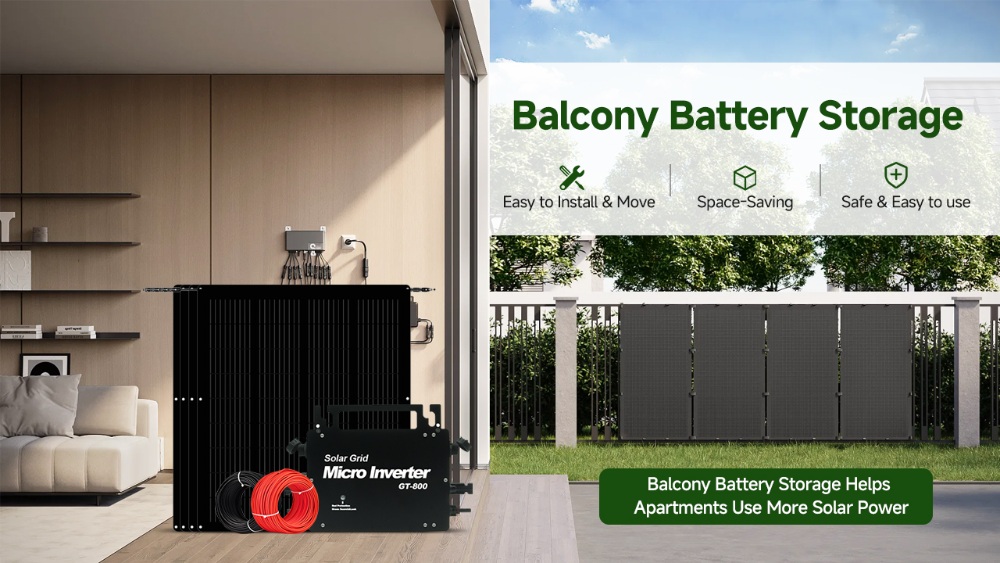
Apartment residents frequently encounter a real-world issue with solar energy. Sunlight might be present, yet the roof remains out of reach. A traditional rooftop photovoltaic setup may demand approval from the building, changes to the structure, and specific areas for setup. In numerous city dwellings, this approach proves challenging.
An 800W balcony solar system provides a more compact and practical choice. It employs space on balconies or terraces to produce power for everyday needs. This helps residents reduce part of their grid electricity demand on the grid during times of bright sunshine. The aim is not to substitute an entire rooftop setup. Instead, the true benefit lies in converting restricted exterior areas into effective zones for solar production, all with reduced setup difficulties.
Why Apartment Solar Power Needs a Different Design
Apartment solar power must work within tighter limits than rooftop solar. The available space is smaller, sunlight may be partly blocked by nearby buildings, and users may need a setup that does not require major building changes. These conditions make system size, mounting method, and inverter choice more important.
Rooftop Solar Is Not Always Practical for Apartments
Traditional rooftop solar works best when the user controls the roof. Apartment users often face shared ownership, property rules, landlord approval, or limited roof access. Even when a building has a suitable roof, individual residents may not be able to install their own panels.
This is why a balcony-based system is useful. It gives renters, apartment owners, and urban households a smaller entry point into solar power. The system can focus on partial electricity offset instead of full home supply, which is a more realistic target for compact residential use.
Balcony Space Can Become a Small Power Area
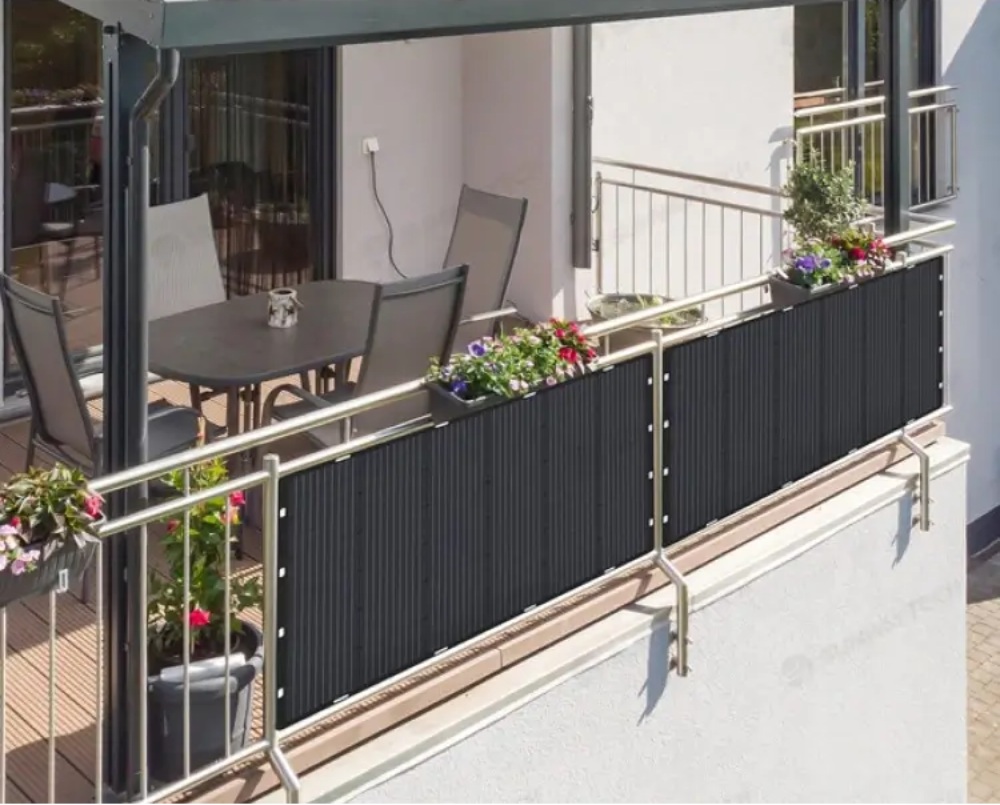
A balcony is not a perfect solar site, but it can still become a small generation area when sunlight, structure, and local rules are suitable. Railings, terrace edges, and exterior-facing balcony surfaces may provide enough placement space for lightweight panels.
How an 800W Balcony Solar System Works
An 800W balcony solar system follows a direct energy path. Solar panels capture sunlight and generate DC electricity. A microinverter converts that DC electricity into AC electricity for household use. The system then works with the home circuit and public grid, so the grid can supply extra electricity when solar output is not enough.
This design is suitable for apartments because the system remains compact. It does not need a large inverter cabinet or a full roof layout. The power is generated close to where it is used, which makes the setup easier to manage in small residential spaces.
From Sunlight to Household AC Power
Solar panels do the generation work, while the microinverter makes the electricity usable. In a small balcony system, this conversion step is critical because household appliances need AC power. A microinverter also fits compact solar layouts better than large inverter equipment, especially where panel quantity and mounting space are limited.
Why 800W Is a Practical Apartment Size
An 800W system is not intended to run every appliance in an apartment. It is better viewed as a compact solar offset solution. During sunny hours, it may help support small and moderate daily loads such as routers, chargers, laptops, lighting, and other low-power electronics.
Key Components Behind a Reliable Balcony Setup
A balcony solar system depends on more than panel wattage. Panels, inverter, cables, mounting accessories, and monitoring tools must work together. In a limited space, poor component matching can lead to difficult wiring, unstable mounting, weak performance visibility, or avoidable safety concerns.
Flexible Solar Panels for Limited Space
Flexible solar panels are useful for apartment balconies because they are lighter and easier to arrange than many traditional rigid panels. They can be better suited to railings and compact surfaces where large modules may be difficult to place.
The Sunway Micro Complete 800W Balcony Solar System includes 8 pieces of 110W flexible solar panels. This configuration fits small-space solar generation and supports balcony or terrace use where a conventional rooftop system is not practical.
Microinverter for Direct Conversion
The microinverter plays a central role in a balcony solar system. It converts panel output into household AC power and supports a compact electrical layout. This system includes one 800W micro inverter with a 2m AC cable and a user manual.
For apartment users, this matters because the setup must stay simple, direct, and space-efficient. A matched microinverter helps the system operate as a practical residential solar product rather than a collection of separate parts.
Cables and Fasteners for Better Installation
PV cables connect the panels and inverter, while optional fasteners help secure the system to suitable balcony structures. Stainless steel black fasteners and tieback with zinc coat fasteners are available as optional accessories.
Users still need to check railing strength, wind exposure, local rules, and electrical requirements before installation. Plug and play does not mean installation judgment can be ignored.
Why Plug and Play Design Matters for Urban Homes
The biggest barrier for apartment solar power is often deployment. Many residents are interested in renewable energy, but full rooftop installation is too complex. A plug and play solar kit helps lower this barrier by simplifying the system format and reducing the need for large structural work.
This makes balcony solar especially relevant for renters, shared buildings, and dense urban housing. The system gives users a smaller way to start using solar power while keeping the setup more manageable.
Lower Entry Barrier Than Full Rooftop Solar
A rooftop project usually involves roof assessment, mounting rails, electrical design, and a more formal installation process. A balcony system starts with a narrower check: sunlight, railing suitability, safe connection, and local permission.
This lower entry barrier does not remove the need for compliance. It simply makes the first step more accessible for renters and shared-building residents who cannot install a full rooftop array.
Microinverters and App Tracking Improve Daily Use
Urban balconies rarely receive perfect sunlight all day. Nearby buildings, railings, trees, and walls can create changing shadows. A system designed for open roof conditions may not perform as expected in this environment.
Microinverters help make compact balcony systems more practical. They support DC to AC conversion near the panel side and suit small distributed layouts where space and sunlight are uneven.
Better Match for Partial Shading
Partial shading is common in apartments. A balcony may receive strong morning sun, weak afternoon light, or seasonal shade from nearby buildings. A microinverter-based setup is better aligned with this reality than oversized equipment built for open roofs.
For broader planning, Sunway works with solar panels, inverters, energy storage batteries, photovoltaic systems, mounting systems, and related solar products. Here, the focus remains on one practical application: apartment balcony solar use.
Monitoring Makes Solar Output Visible
Small solar systems are easier to use when performance is visible. App tracking helps users view live solar yield and current load, making it easier to see when the system is producing useful electricity.
What Users Should Check Before Installation
A balcony solar system should be selected with safety and site conditions in mind. Sunlight, shading, railing strength, wind exposure, socket safety, and local plug-in solar rules all affect whether the setup is suitable.
Sunlight and Shading Come First
The most important factor is direct sunlight. A balcony with long, clear sun exposure will perform better than one blocked for most of the day. Direction, season, railing height, and panel angle all influence output.
Local Rules and Mounting Safety Still Matter
Rules for plug-in solar systems vary by market. Some regions allow small systems under defined limits, while others require registration, inspection, or approved connection equipment.
Railing strength and wind exposure also matter. A system should never be installed where mounting is unstable or unsafe. For larger comparisons across residential and commercial applications, Sunway’s solar energy solutions provide a broader reference for different system types.
Where This System Fits Best
This type of system fits apartment users who have usable balcony sunlight and want a practical first step into solar power. It is also relevant for B2B buyers serving urban residential markets where small-space solar products are easier to adopt than full rooftop systems.
Suitable User Scenarios
The system suits apartment residents without roof access, renters who need a less permanent setup, urban homes with sunny balconies, and small households that want a partial daytime electricity offset.
Its configuration supports these needs through 8 pieces of 110W flexible solar panels, one 800W micro inverter, PV cables, optional fasteners, app tracking, standard wall socket connection, and grid interaction.
A Practical Step Toward Apartment Solar Use
For partners evaluating apartment solar products, we can help match system choices with railing space, sunlight exposure, installation needs, and market expectations. To review a suitable setup for your project, speak with us about a practical apartment solar configuration.
Conclusion
An 800W balcony solar system gives apartment residents a more accessible way to use solar power without a private roof. It will not replace a full rooftop installation, but it can turn a suitable balcony into a useful small generation area.
The value comes from practical design: flexible panels for limited space, a microinverter for household AC conversion, app tracking for visible output, and a plug and play solar kit format that reduces installation complexity. When sunlight, mounting safety, and local rules are suitable, balcony solar can help urban users make better use of the space they already have.
FAQ
Q:Can an 800W balcony solar system power a whole apartment?
A:In most cases, no. An 800W balcony solar system fits well for cutting back a share of regular power needs in periods of sunlight. It manages minor and medium demands. However, do not regard it as a complete substitute for household energy.
Q:What makes flexible solar panels useful for apartment balconies?
A:Flexible solar panels weigh less. They are easier to position in confined areas compared to various standard srigid panels. Such panels adapt well to balcony rail setups. This occurs if the framework, attachment technique, and area regulations allow the process.
Q:Why is a microinverter important in a balcony solar system?
A:A microinverter changes direct current from solar panels to alternating current for home needs. In a small balcony solar system, it simplifies the overall system layout. It also makes the system more practical for apartment power use.